
By Paul Ainslie, President, SVdP Indy Council
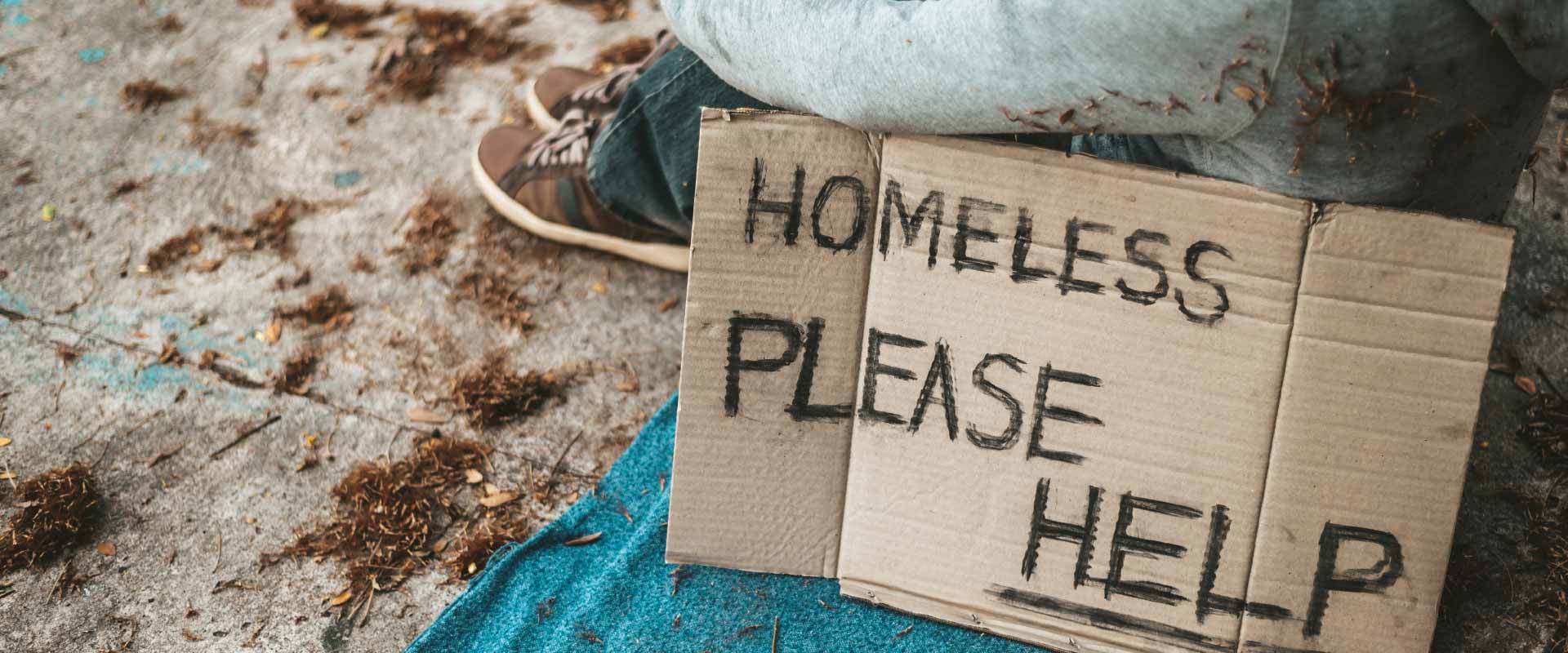
Last month, I shared that the latest Point In Time (PIT) survey revealed there are over 1,800 individuals who are considered “homeless” in Indianapolis—with 25% being children. Certainly, the actual number is much higher, as those couch-surfing with friends or doubling up in homes are not counted. This month, I want to talk about an initiative and some current legislation that addresses the homelessness challenges.
The Streets to Home Indy initiative is grounded in the belief that everyone has the right to be housed and connected to care. Chronic and unsheltered homelessness has been increasing in Indianapolis. Some in the community are ready to do something different to change the equation. A group including the Coalition for Homelessness Intervention and Prevention (CHIP) and the Greater Indianapolis Multifaith Alliance (GIMA) has launched Streets to Home Indy, a public-private partnership that aims to end chronic and unsheltered homelessness in Indianapolis by 2028. The first step is getting people off Indy streets through supportive housing and permanently closing encampments. Over a 12-month period, the goal is to house 300-350 individuals living on Indianapolis’ streets and close encampments across the city.
Indianapolis is positioned to significantly reduce homelessness and serve as a national model. Through targeted, intensive and highly coordinated street outreach, housing navigation, unit acquisition and case management, individuals at an encampment are engaged in a 4-6-week process to move directly from the streets into housing with the services they need to recover and thrive.
For more information, go to the CHIP or GIMA websites.
The Indiana legislature has passed Senate Bill 285, which directly addresses homelessness. It has moved to the Governor’s desk, as of this writing, where it will likely be signed. The law will criminalize camping on a sidewalk, in a public park or on public lands without a permit. It would allow arrested individuals to avoid prosecution by agreeing to undergo mandatory housing with available addiction and/or mental health treatments. Also they could move to another spot and start the policing process over again. It would also force local governments to comply with the law without any funding. It would not provide affordable housing.
To solve homelessness in Indiana, we need a clear and compassionate focus on those who suffer from homelessness, not a focus on those inconvenienced by it. Affordable housing would be a great start.