
By Paul Ainslie, President, SVdP Indy Council
Lately, the word “affordability” has entered the news as a rallying cry for some and a false narrative for others. No matter your political affiliation, affordability is a real problem for many in Indiana and Indianapolis.
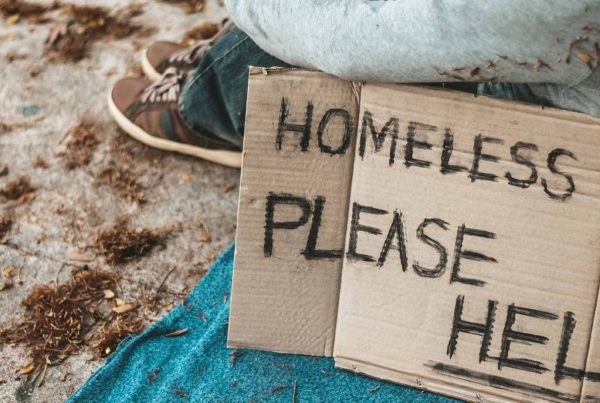
- Over 1,800 individuals are considered unsheltered in Indianapolis, according to the latest Point In Time (PIT) survey. The actual number is much higher, as those in shelters or couch-surfing with friends are not counted. 25% of people experiencing homelessness are children.
- In Indiana, about 12.2% of residents (803,000 individuals) live in poverty. In Indianapolis, about 14% of residents live in poverty, relying on food pantries, charities and public assistance to pay their bills. And still, many do not make ends meet.
- The average rent for a two-bedroom apartment in Indiana was $801 in 2021. The latest figure for 2026 is $1,307—a 63% increase! Wages have not risen enough to cover that increase.
- About 300,000 Hoosiers used the Affordable Care Act in 2025 to buy health insurance. With the end of federal subsidies, almost 1/3 of those will have to go without insurance, relying on emergency room care when needed, an unreimbursed cost to the healthcare system.
- More than 40% of residents are financially insecure, meaning they are one or two missed paychecks or unexpected expenses from joining the ranks of those in poverty.
The costs for rent, utilities and medical care have risen significantly since the pandemic ended. Wage increases have not kept pace; the minimum wage in Indiana remains the same as it was in 2009: $7.25 per hour. The rising cost of living has led people to take on more debt. According to the most recent reports, overall U.S. consumer debt has reached a record high, exceeding $18 trillion—that’s more than $51,000 per person in the U.S.
Higher costs funded by more debt is not sustainable. Our Conferences are seeing more requests for help with rent, utilities and other expenses. Evictions and utility shutoffs are already a reality for many, and there aren’t enough charitable resources to stop it all.
Affordability is a crisis, and one that must be addressed now.